Common Floor Plan Mistakes
- Zanetto Builders
- Feb 22
- 4 min read
Updated: May 18

The floor plan is what determines whether a home feels effortless to live in or constantly frustrating.
A lot of layout problems aren’t obvious during planning. They only become noticeable once the home is being lived in every day.
Some mistakes show up again and again:
living areas facing the wrong direction
kitchens disconnected from living or outdoor areas
bedrooms placed next to noisy zones
oversized hallways with no purpose
poor natural light and no outlook
These aren’t new problems. They just keep being repeated.

Why they happen
Most layouts are developed inside-out.
Rooms are drawn first, then arranged, instead of starting with the site, light, and how the home will be used.
Templates also play a role. Standard plans get adapted to custom homes without enough adjustment.
Living Areas Facing the Wrong Direction
Orientation shapes how a home feels more than almost anything else.
When living spaces face the wrong direction, the entire home becomes harder to heat, cool, and live in comfortably.
The most common issue
Living areas positioned toward the west are one of the biggest mistakes.
They receive intense afternoon sun when the home is already warm, often leading to overheating and glare.
This is one of the major causes behind open plan layout problems, especially when large areas of glazing are involved.
Why north-facing spaces matter
Well-oriented homes work with natural light rather than against it.
North-facing living areas generally:
receive more consistent daylight
feel warmer in winter
reduce reliance on artificial lighting
Get orientation wrong early, and the home spends decades compensating for it.
> What it looks like when you get it right;

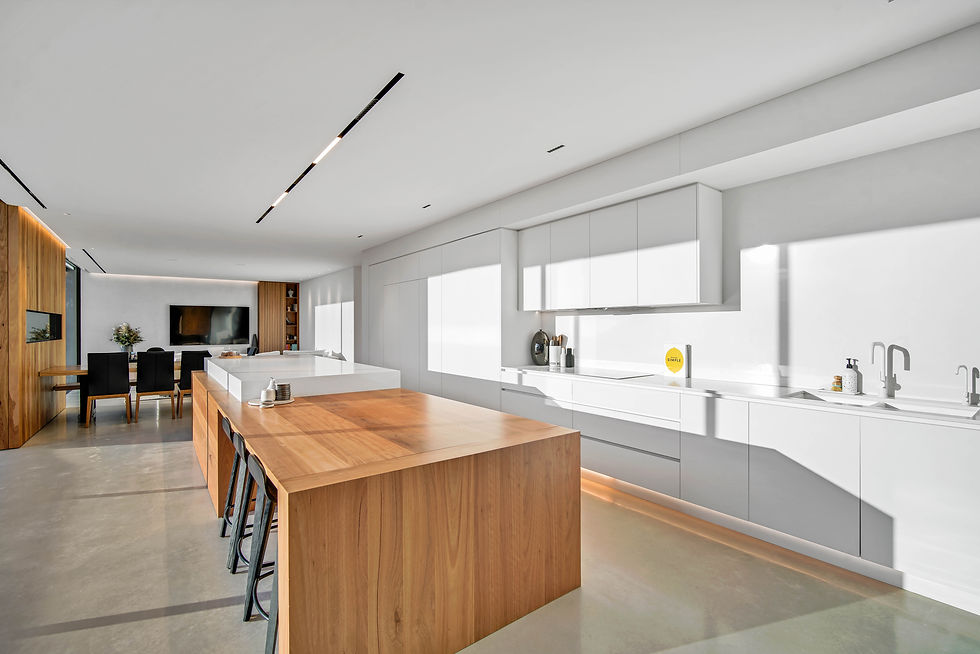
Kitchens Disconnected From Living Spaces
The kitchen usually becomes the centre of daily life.
When it feels disconnected from the rest of the home, everything around it starts to feel fragmented too.
What this looks like in practice
no connection to outdoor areas
poor visibility into living spaces
isolated circulation paths
awkward entertaining flow
You end up with spaces that technically function but don’t feel connected.
The issue isn’t size
Bigger kitchens don’t solve bad relationships between spaces.
The layout matters more than square metreage.
A well-positioned kitchen improves how the entire home functions.
If you’re looking for Tasmanian Passive house builders, get in touch.
> What it looks like when you get it right;
Bedrooms Positioned Near Noisy Areas
Privacy and separation matter more than people realise during planning.
Common mistakes
Bedrooms are often placed:
beside living rooms
near kitchens
against busy circulation zones
too close to entertaining spaces
The result is a home that never fully feels calm.
Separation improves comfort
Good layouts create distinct zones.
Living spaces should feel social and connected. Bedrooms should feel quiet and removed.
Without that separation, the whole house can feel overstimulating.
> What it looks like when you get it right;

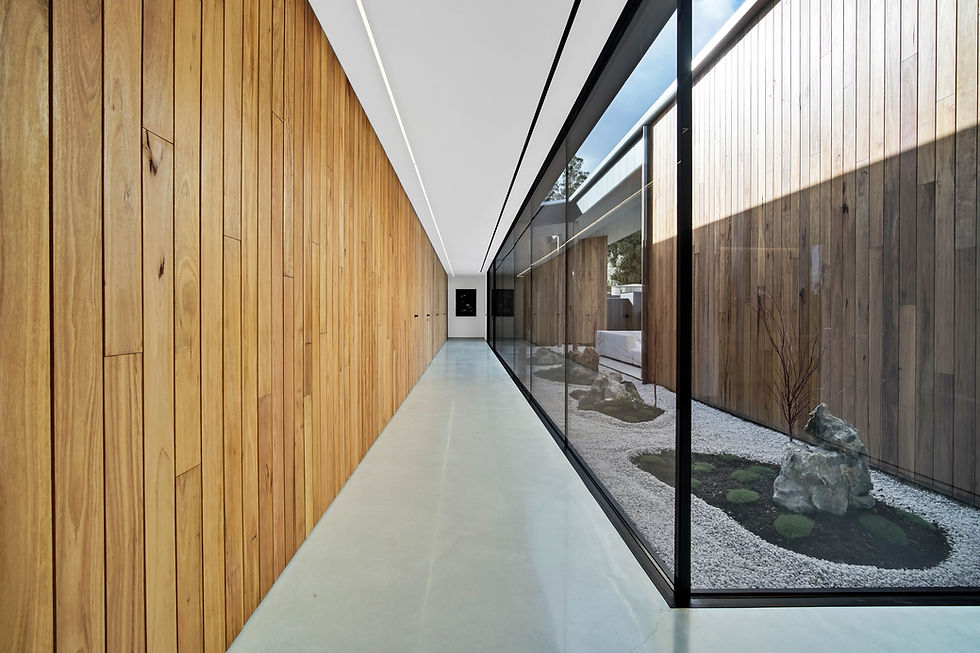
Oversized Hallways With No Purpose
Hallways are necessary. Oversized ones usually indicate a layout problem.
Wasted floor area
Long corridors increase:
construction cost
wasted space
travel distance through the home
They also reduce the usable area available elsewhere.
Why this happens
It’s often a symptom of rooms being arranged without enough consideration for flow.
Good layouts minimise unnecessary circulation and make movement feel natural.
> What it looks like when you get it right;
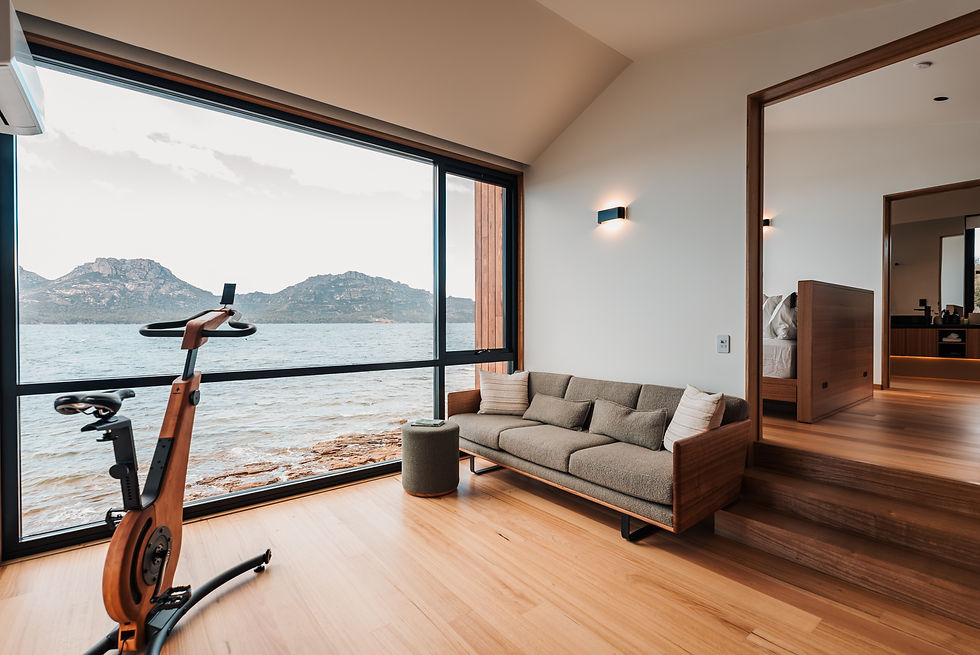
Poor Natural Light and No Outlook
Natural light changes how every room feels.
Without it, spaces feel smaller, flatter, and less comfortable to spend time in.
Light needs to be designed early
You can’t fully fix poor natural light with finishes later.
If window placement, orientation, and room positioning aren’t resolved early, the home will always feel compromised.
This is where issues like dark rooms in home design usually begin.
Artificial lighting shouldn’t compensate for poor design
Lighting should support the architecture, not rescue it.
A lot of lighting design mistakes come from trying to correct problems that should have been resolved in the floor plan.
> What it looks like when you get it right;
Why Good Floor Plans Feel Effortless
Most people can immediately tell when a home feels right.
Usually, they just can’t explain why.
Good layouts remove friction
Movement feels natural.
Spaces connect properly.
Light lands where it should.
The home supports daily life without constantly asking people to work around it.
Simplicity is usually a sign of good planning
The best floor plans often feel obvious.
That’s because the complexity has already been resolved during the design process.
The Builder’s Role in Layout
A builder should contribute to layout discussions early, not just price the finished plans.
Why builder input matters
Builders understand:
how spaces are actually used
how layouts affect construction
where problems tend to appear in real life
That perspective often improves the design before construction begins.
What to look for
You want a builder who understands both construction and how a home functions day-to-day.
That’s a big part of what makes a good builder, especially on custom homes where every decision matters.

FAQs
What is the most common floor plan mistake?
Poor orientation of living areas is one of the biggest and most expensive mistakes long-term.
How do I know if my layout works?
Walk through a normal day mentally. Cooking, entertaining, getting ready, bringing groceries in. If movement feels awkward, the layout probably needs refinement.
Can floor plan mistakes be fixed later?
Some can, but layout issues become far more expensive once construction starts.
What makes a floor plan functional?
Good flow, proper light, separation between noisy and quiet zones, and spaces that connect naturally.
Are open-plan homes always better?
No. Open-plan layouts only work when zoning, orientation, acoustics, and circulation are properly resolved.
Closing
Most layout issues come from decisions that weren’t properly resolved early enough. Once construction begins, those problems become much harder to fix.
If you’re reviewing plans or starting a custom home project, it’s worth getting the layout right before anything is built.
If you’re in Tasmania and want to talk through your plans or your project, you can get in touch here.


