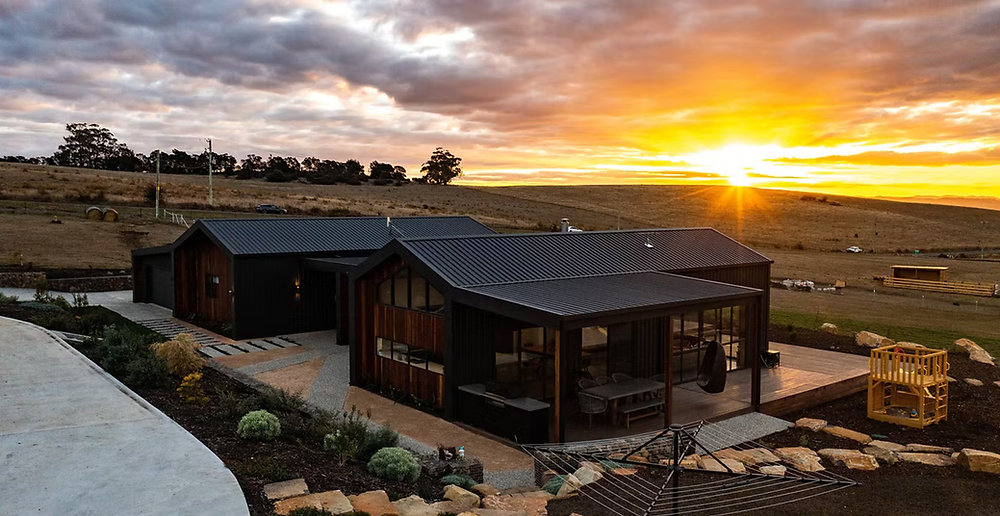
These homes are designed to use minimal energy for heating and cooling, offering a comfortable living environment while reducing environmental footprints. In Tasmania, where the climate can be unpredictably mild, the appeal of such energy-efficient living spaces has been on the rise. The demand for homes that effectively balance aesthetic appeal, sustainability, and cost-efficiency is increasingly significant. But the question remains: How well do these highly efficient homes perform in Tasmania’s unique climate?
Energy efficiency is more than just a trend in Tasmania. It’s become a necessity. As homeowners seek to cut energy costs and embrace sustainable living, the principles of Passive House design come under the spotlight. Understanding how these homes can adapt to the Tasmanian climate and what makes them a viable choice for locals can help in making an informed decision. With this in mind, we explore whether Passive House homes truly deliver on their promise of comfort and efficiency in Tasmania.
Understanding Passive House
Passive House, or Passive House, is a rigorous, voluntary standard for energy efficiency in a building, significantly reducing its ecological footprint. Established in Germany, the concept focuses on superior insulation, airtightness, high-performance windows, and mechanical ventilation systems with heat recovery. These elements work together to create a home that’s not only comfortable year-round but also remarkably energy-efficient.
Here are some key features that distinguish Passive House homes:
Insulation: Thick layers of insulation help maintain a consistent indoor temperature, reducing the need for additional heating or cooling.
Airtight Construction: Eliminates drafts and energy loss, keeping the heat in during winter and cool air in during summer.
Ventilation Systems: Mechanical ventilation with heat recovery ensures a supply of fresh air without losing heat, maintaining air quality and comfort.
High-Performance Windows: Double or triple-glazed windows with insulated frames prevent energy loss, optimizing natural light.
Living in a Passive House home brings numerous benefits. These homes not only dramatically reduce energy bills but also promote healthier indoor environments with constant fresh air circulation. By maintaining stable temperatures and humidity levels, they offer a new level of comfort that’s both reassuring and sustainable. For homeowners in Tasmania looking for a smart investment in their future, embracing the Passive House approach can lead to a significant improvement in lifestyle quality and energy efficiency.
Tasmania’s Unique Climate
Tasmania is known for its temperate oceanic climate, with mild summers and cool, wet winters. This climate presents both opportunities and challenges for energy-efficient homes. The island’s weather patterns include temperamental shifts, meaning homes need to handle a range of conditions while remaining comfortable and cost-effective. Factors like coastal winds, varied topography, and rainfall need careful consideration when designing homes here.
The seasonal variations in Tasmania impact home energy efficiency in several ways. Summer brings warmer days that lean cool in the evenings, while winter is characteristically damp and chilly. Homes must be adept at harnessing natural energy to maintain comfort throughout these shifts. The potential for leveraging Tasmania’s abundant natural resources, like sunshine and wind, offers a design opportunity for sustainable living.
Given these climatic conditions, Passive House principles can address Tasmania’s requirements well. While practical challenges exist, such as the need for adaptable design solutions and appropriate site orientation, the opportunities for energy savings and reduced carbon footprint are notable. Passive House designs can skillfully navigate such climate complexities, providing adaptable and efficient housing solutions suitable for Tassie’s diverse weather.
Fysh Place, St Helens — two all-electric coastal homes, 2026 HIA Australian GreenSmart Multi Dwelling Development.
Passive House Performance in Tasmania
When considering the unique aspects of Tasmania’s climate, Passive House homes demonstrate impressive adaptability. The principles of superior insulation and airtight construction mean these homes excel in preserving warmth during Tasmania’s frosty winters, while efficiently keeping the interior cool during warmer weather. By minimizing thermal bridging, Passive House designs ensure that fluctuating temperatures don’t compromise indoor comfort. These aspects are key to maintaining an energy-efficient home environment, regardless of external conditions.
One notable example in Tasmania underscores the effectiveness of Passive House homes. A family residing in Hobart decided to build a Passive House home, motivated by the ever-increasing energy bills and their desire to adopt a more sustainable lifestyle. After moving in, they noticed a significant reduction in their energy usage and were thrilled with the year-round comfort their home provided. This real-life illustration highlights the practical benefits and feasibility of Passive House principles even in Tasmania’s varied climates.
Energy savings and environmental impact are crucial considerations. Passive House homes can lead to a remarkable decrease in energy consumption by tapping into natural energy sources and optimizing home design. The reduction in heating and cooling demand cuts energy costs, aligning perfectly with the rising need for sustainable practices. Homeowners find that this approach doesn’t only make financial sense, but it aligns with environmental values as well.
Bluebush, Blackmans Bay — the insulation line and the airtight layer are decided long before either is visible.
Finding the Right Passive House Builder in Tasmania
Choosing a suitable builder with Passive House expertise is important to successfully implementing these principles. Not every builder is the right fit, so it’s crucial to select a professional experienced in this specialised standard. Look for builders who showcase a comprehensive portfolio of Passive House projects, highlighting their skill in creating homes that maximise energy efficiency.
Here are key considerations when picking a Passive House builder:
Credentials: Ensure the builder is certified and knowledgeable in Passive House standards.
Portfolio: Check past projects to see their experience and the types of homes they’ve successfully developed.
Customer Reviews: Seek feedback from previous clients to gauge their satisfaction and the builder’s reliability.
By finding the right builder, you can confidently build a Passive House home that meets your needs and thrives in Tasmania’s climate.
Bluebush, Blackmans Bay — a heating demand of 10 kWh/m² a year, against a limit of 15.
Crafting Your Perfect Passive House
Embarking on your Passive House journey starts with understanding your own needs and preferences. Developing a customised design tailored to your lifestyle ensures you enjoy the maximum benefits from your new home. Engage with architects and builders early in the process to define what you’re looking for, including how you want your home to function throughout the seasons.
Taking the time to tailor your Passive House home will yield dividends in comfort and efficiency. As you craft your dream home, you’re not just investing in energy savings; you’re choosing a lifestyle that values sustainability and quality of life. In a location like Tasmania, balancing climate, design, and sustainability goals results in a rewarding living space that stands the test of time.
If you’re considering building an energy-efficient home that suits Tasmania’s climate, it’s important to choose the right partner. Our team at Zanetto Builders is experienced in creating sustainable homes that prioritise comfort and quality. Learn how working with a Passive House builder in Tasmania can help you bring your vision to life while reducing your environmental impact. Let’s create a home that’s built smart, designed for all seasons, and made to last.
Thinking about building?
Talk to our team — or get a 48-hour feasibility on your plans.